- Your cart is empty
- Continue Shopping


Product
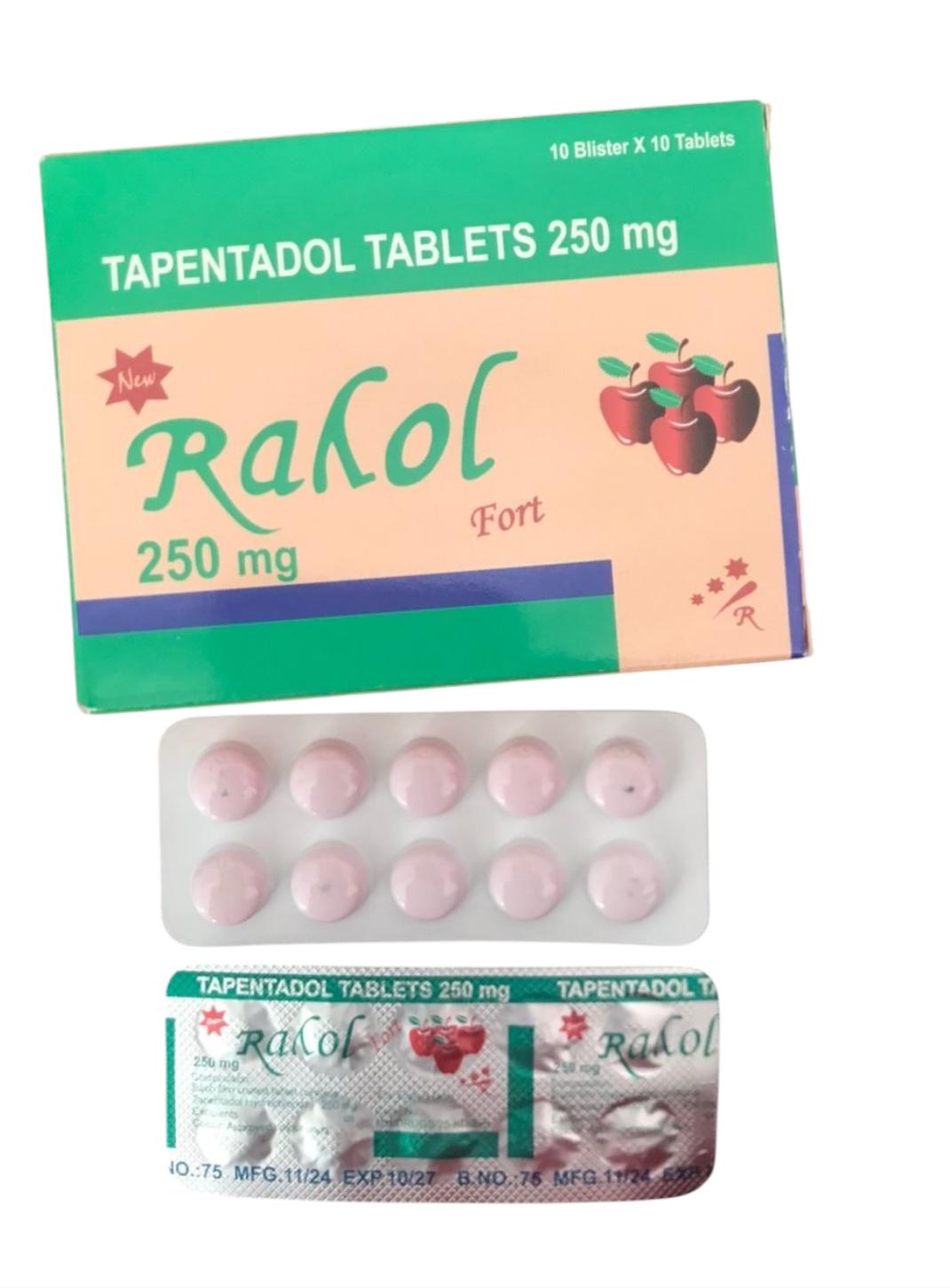
Royal Tapentadol 250mg
£60.00 – £460.00
Quantity
Choose an option
Add to cart
Buy Now
Tapentadol 250mg – Detailed Medication Guide
Introduction
Tapentadol 250mg is a prescription opioid analgesic used in the management of moderate to severe pain in adults. It is generally prescribed when other pain treatment options have not provided adequate relief or are not suitable for the patient. Because tapentadol acts on the central nervous system, it requires careful medical supervision.
Tapentadol is classified as a centrally acting analgesic with dual mechanisms of action. It both stimulates mu-opioid receptors and inhibits norepinephrine reuptake. This combined activity influences how pain signals are processed in the brain and spinal cord.
Due to its opioid properties, tapentadol carries risks including dependence, misuse, respiratory depression, and overdose. Therefore, treatment decisions are based on a comprehensive medical assessment performed by a qualified healthcare provider.
What Tapentadol 250mg Is Used For

Tapentadol 250mg may be prescribed for:
-
Chronic musculoskeletal pain
-
Severe back pain
-
Osteoarthritis-related pain
-
Neuropathic pain (such as diabetic nerve pain)
-
Severe acute pain when other treatments are insufficient
Extended-release formulations are typically used for patients who require continuous, around-the-clock pain control rather than short-term or as-needed relief.
Tapentadol is not considered a first-line treatment for mild pain. Physicians carefully evaluate the potential benefits and risks before prescribing it.
How Tapentadol Works
Tapentadol works through two primary mechanisms:
1. Mu-Opioid Receptor Activation
Tapentadol binds to opioid receptors in the brain and spinal cord. These receptors are involved in pain perception. Activation reduces the transmission of pain signals.
2. Norepinephrine Reuptake Inhibition
Tapentadol also inhibits the reuptake of norepinephrine, a neurotransmitter involved in pain modulation. This enhances descending inhibitory pain pathways.
The dual mechanism may contribute to effectiveness in certain types of neuropathic pain compared to traditional opioids.
However, because it affects the central nervous system, careful dosing and monitoring are essential.
Dosage and Administration
Tapentadol 250mg must be taken exactly as prescribed.
-
Swallow tablets whole with water.
-
Do not crush, chew, or split extended-release tablets.
-
Take at the same time each day if prescribed for scheduled dosing.
-
Follow your physician’s instructions strictly.
Dosage is individualized based on:
-
Pain severity
-
Previous opioid exposure
-
Liver or kidney function
-
Age and general health
Abrupt discontinuation may lead to withdrawal symptoms. If treatment needs to be stopped, a healthcare provider may gradually taper the dose.
Important Safety Information

Tapentadol carries significant safety risks that must be understood before use.
Risk of Addiction, Abuse, and Misuse
Tapentadol is an opioid and may cause physical dependence. Misuse can lead to overdose or death. Patients should take it only as prescribed.
Respiratory Depression
Serious or life-threatening breathing problems may occur, particularly during treatment initiation or dose increases.
Central Nervous System Depression
Tapentadol may cause:
-
Drowsiness
-
Sedation
-
Reduced alertness
Combining it with alcohol, benzodiazepines, or other sedatives increases these risks.
Serotonin Syndrome
When used with certain antidepressants or serotonergic medications, tapentadol may increase the risk of serotonin syndrome, a potentially serious condition.
Seizure Risk
Tapentadol may increase seizure risk, particularly in individuals with a history of seizure disorders.
Possible Side Effects
Like all medications, tapentadol may cause side effects.
Common Side Effects
-
Nausea
-
Vomiting
-
Dizziness
-
Drowsiness
-
Constipation
-
Headache
These effects may decrease over time as the body adjusts.
Serious Side Effects
-
Slow or shallow breathing
-
Severe allergic reactions
-
Extreme drowsiness
-
Fainting
-
Confusion
Seek immediate medical attention if serious symptoms occur.
Drug Interactions
Tapentadol may interact with various medications, including:
-
Other opioids
-
Benzodiazepines
-
Sedatives and sleeping pills
-
Antidepressants (SSRIs, SNRIs)
-
MAO inhibitors
-
Muscle relaxants
Patients should inform their healthcare provider of all medications, supplements, and herbal products being used.
Warnings and Precautions
Before starting tapentadol, inform your healthcare provider if you have:
-
Respiratory conditions (such as asthma or COPD)
-
Liver disease
-
Kidney impairment
-
History of substance misuse
-
Seizure disorders
-
Head injury
-
Low blood pressure
Caution is required in elderly patients due to increased sensitivity to opioids.
Use in Special Populations
Elderly Patients
Lower initial doses may be required. Increased monitoring is recommended.
Pregnancy
Use during pregnancy should only occur if clearly needed and under medical supervision. Prolonged use during pregnancy may cause neonatal withdrawal syndrome.
Breastfeeding
Tapentadol may pass into breast milk. A healthcare provider should evaluate potential risks.
Pediatric Use
Safety and effectiveness in children may not be established unless specifically approved.
Storage and Handling
-
Store at room temperature.
-
Protect from moisture and heat.
-
Keep securely stored to prevent accidental ingestion or misuse.
-
Keep out of reach of children.
Because tapentadol is an opioid, secure storage is especially important.
Disposal Information
Unused tapentadol should be disposed of through authorized medication take-back programs when available.
Do not share this medication with others, even if they have similar symptoms. Sharing opioids can lead to serious harm.
Recognizing Overdose
Signs of overdose may include:
-
Very slow breathing
-
Extreme drowsiness
-
Blue lips or fingernails
-
Unresponsiveness
Emergency medical attention is required immediately if overdose is suspected.
Standard Delivery

-
Typical timeframe: 3–7 business days
-
Used for routine, non-urgent refills and prescription orders.
-
Often the most economical shipping method.
-
Requires a valid prescription on file before processing.
Important Notes
-
Delivery time depends on local postal or courier services.
-
Tracking may be available through the pharmacy’s system
Frequently Asked Questions
Is tapentadol addictive?
Tapentadol has the potential for physical dependence and misuse. It should be used strictly under medical supervision.
Can I drive while taking tapentadol?
If the medication causes drowsiness or dizziness, avoid driving or operating machinery.
How long can tapentadol be used?
Duration depends on the medical condition and clinical evaluation by your healthcare provider.
Can I stop suddenly?
Abrupt discontinuation may cause withdrawal symptoms. Always consult your doctor before stopping.
Summary
Tapentadol 250mg is a prescription opioid analgesic used for the management of moderate to severe pain when alternative treatments are inadequate. It works through dual mechanisms involving opioid receptor activation and norepinephrine reuptake inhibition.
Due to risks including dependence, respiratory depression, and drug interactions, tapentadol requires careful medical supervision. Patients should follow dosage instructions strictly and report any concerning symptoms to their healthcare provider.
Medical Disclaimer
This guide is provided for educational purposes only and does not replace professional medical advice, diagnosis, or treatment. Always consult a qualified healthcare provider regarding any medical condition or medication use.
Additional Information
| Quantity | 30, 60, 90, 180, 360 |
|---|
Related products
HAB Zopiclone Tablets IP 5.5 mg
£30.00 – £216.00
Select options
This product has multiple variants. The options may be chosen on the product page
Nervigesic Pregabalin 300mg
£33.00 – £306.00
Select options
This product has multiple variants. The options may be chosen on the product page
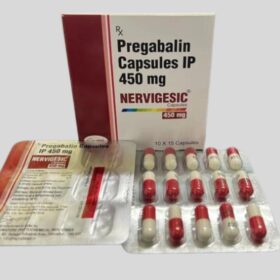
Nervigesic Pregabalin 450mg
£45.00 – £396.00
Select options
This product has multiple variants. The options may be chosen on the product page
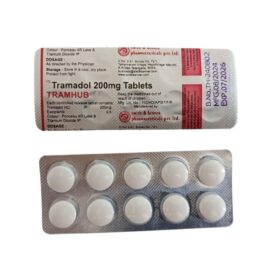
Tramadol HCI 200mg
£54.00 – £432.00
Select options
This product has multiple variants. The options may be chosen on the product page
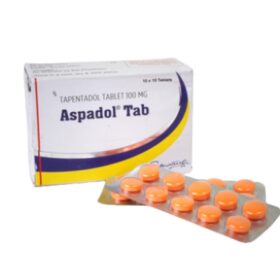
Tapentadol 100mg
£43.50 – £360.00
Select options
This product has multiple variants. The options may be chosen on the product page
Royale 225mg Apples Carisoprodol 125mg + Tapentadol Hydrochloride100mg
£55.00 – £468.00
Select options
This product has multiple variants. The options may be chosen on the product page
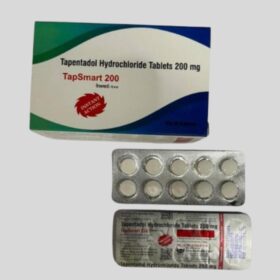
Tapentadol Hydrochloride tablets 200mg
£58.50 – £468.00
Select options
This product has multiple variants. The options may be chosen on the product page
Reviews
There are no reviews yet.