- Your cart is empty
- Continue Shopping


Product
Hot
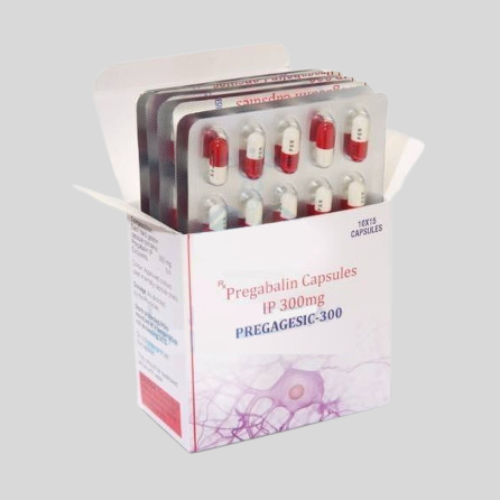
Pregabalin Pregagesic 300mg
£33.00 – £288.00
quantity:
Choose an option
Add to cart
Buy Now
Pregabalin 300 mg Capsule: Uses, Pricing Factors, Safety & Neuropathic Pain Guide
Pregabalin 300 mg capsule is a prescription medication commonly used in the management of neuropathic pain, certain seizure disorders, and generalized anxiety disorder in some regions. This comprehensive guide explains how pregabalin works, medical uses, dosage recommendations, safety precautions, side effects, and general pricing considerations.
What Is Pregabalin 300 mg Capsule?

Pregabalin 300mg capsule belongs to a class of medications known as anticonvulsants. Although initially developed for epilepsy treatment, it is now widely prescribed for nerve-related pain conditions. The 300 mg strength is typically used when lower doses are insufficient and must always be taken under medical supervision.
Medical Uses of Pregabalin 300 mg Capsule
1. Neuropathic Pain
Neuropathic pain results from nerve damage or dysfunction. Conditions where pregabalin may be prescribed include:
- Diabetic peripheral neuropathy
- Postherpetic neuralgia
- Spinal cord injury–related nerve pain
2. Epilepsy (Adjunct Therapy)
Pregabalin 300 mg capsule may be used alongside other antiepileptic medications to help control partial-onset seizures.
3. Generalized Anxiety Disorder
In certain countries, pregabalin is approved for managing generalized anxiety disorder when clinically appropriate.
How Pregabalin 300mg capsule Works

Pregabalin binds to voltage-gated calcium channels in nerve cells. This action reduces the release of excitatory neurotransmitters involved in pain transmission and abnormal electrical brain activity.
Dosage and Administration
General Guidelines
- Take exactly as prescribed by a healthcare professional.
- May be taken with or without food.
- Swallow the capsule whole with water.
- Do not stop suddenly without medical guidance.
Dose Adjustments
Patients with kidney impairment may require reduced dosages since the medication is primarily eliminated through renal pathways.
Possible Side Effects

Common Side Effects
- Dizziness
- Drowsiness
- Dry mouth
- Blurred vision
- Weight gain
- Peripheral edema
Serious Side Effects
- Severe allergic reactions
- Breathing difficulty
- Mood changes
- Suicidal thoughts
Immediate medical attention should be sought if severe symptoms occur.
Warnings and Precautions
Risk of Dependence
Long-term use may lead to physical dependence. Gradual tapering is recommended when discontinuing therapy.
Alcohol Interaction
Alcohol can increase dizziness and sedation.
Driving and Machinery
This medication may impair alertness. Avoid operating machinery until you know how it affects you.
Pricing Considerations
The price of pregabalin 300 mg capsule can vary depending on several factors:
- Brand vs. generic formulation
- Pharmacy location
- Insurance coverage
- Quantity prescribed
- Country or regional regulations
Generic pregabalin 300mg capsule formulations are typically more affordable than branded versions. Patients are encouraged to consult licensed pharmacies and healthcare providers for accurate pricing information.
Storage Instructions
- Store at room temperature.
- Keep away from moisture and direct sunlight.
- Keep out of reach of children.
Delivery Options

Customers can select flexible shipping methods based on urgency:
-
Standard Shipping – 5 to 10 business days
-
Express Delivery – 3 to 5 business days
-
Next-Day Delivery – Available in selected locations
-
International Shipping – Delivery time varies by region
All orders are carefully packed to maintain privacy and product safety.
Frequently Asked Questions
How quickly does pregabalin start working?
Some patients may notice improvement within a few days, although full benefits may take longer.
Can pregabalin 300mg capsule be stopped suddenly?
No. Sudden discontinuation may cause withdrawal symptoms. Tapering is recommended.
Is pregabalin 300mg capsule an opioid painkiller?
No. Pregabalin is not classified as an opioid.
Can it be used for long-term treatment?
Long-term use may be appropriate in certain conditions under medical supervision.
Clinical Effectiveness and Treatment Expectations
The effectiveness of pregabalin 300 mg capsule depends on the medical condition being treated, individual patient response, and adherence to prescribed dosing instructions. In neuropathic pain conditions, patients may notice gradual symptom improvement over several days to weeks. The medication does not usually provide instant relief like traditional pain relievers, as it works by stabilizing nerve signaling over time.
Healthcare providers often begin treatment with a lower dose and gradually increase it to minimize side effects while achieving therapeutic benefit. This titration approach helps balance effectiveness and tolerability.
Comparison With Other Nerve Pain Treatments
Neuropathic pain is different from inflammatory or injury-related pain. Standard pain relievers such as nonsteroidal anti-inflammatory drugs (NSAIDs) may not be effective for nerve-related discomfort. Pregabalin 300mg capsule targets abnormal nerve activity, which makes it particularly useful for conditions involving damaged or overactive nerves.
Other treatment options for neuropathic pain may include:
- Gabapentin
- Certain antidepressants (such as SNRIs or tricyclic antidepressants)
- Topical treatments for localized nerve pain
- Physical rehabilitation therapy
The choice of therapy depends on medical history, severity of symptoms, and patient-specific risk factors.
Kidney Function and Dose Adjustments
Since pregabalin 300mg capsule is primarily eliminated through the kidneys, renal function plays an important role in determining the appropriate dosage. Patients with reduced kidney function may require lower doses or less frequent administration.
Periodic kidney function testing may be recommended during long-term treatment to ensure safe use.
Potential Withdrawal Symptoms
If pregabalin therapy is discontinued abruptly, some individuals may experience withdrawal-related symptoms. These may include insomnia, headache, nausea, anxiety, sweating, or irritability. To minimize these effects, gradual tapering under medical supervision is recommended.
Patients should never stop taking the medication suddenly without consulting a healthcare provider.
Mental Health Monitoring
As with several anticonvulsant medications, pregabalin has been associated with mood changes in rare cases. Healthcare providers may monitor for signs of depression, behavioral changes, or suicidal thoughts, particularly during the early stages of treatment or when adjusting the dose.
Family members and caregivers should be informed to observe and report unusual mood or behavioral changes promptly.
Use in Chronic Pain Management Plans
For chronic neuropathic pain, medication is often only one component of a broader management strategy. A multidisciplinary approach may include:
- Physical therapy to improve mobility
- Psychological support or cognitive behavioral therapy
- Weight management and exercise programs
- Sleep hygiene optimization
Combining medication with non-pharmacological therapies may improve overall treatment outcomes.
Drug Interactions
Pregabalin 300mg capsule may interact with other central nervous system depressants, including opioid medications, sedatives, and alcohol. These combinations may increase the risk of excessive sedation or breathing difficulties.
Patients should provide a complete list of current medications to their healthcare provider before starting therapy.
Storage and Handling Precautions
Store capsules in their original packaging at room temperature. Avoid exposure to excessive heat, humidity, or direct sunlight. Keep the medication out of reach of children and pets.
Unused or expired capsules should be disposed of according to local pharmaceutical disposal guidelines.
Understanding Cost and Insurance Coverage
The cost of pregabalin 300 mg capsule varies depending on factors such as brand versus generic formulations, geographic region, pharmacy pricing policies, and insurance coverage. Generic versions are typically more affordable and widely available.
Patients with insurance plans should verify coverage details, copayments, and prior authorization requirements. Some regions may offer patient assistance programs for eligible individuals.
When to Seek Medical Attention
Immediate medical attention should be sought if symptoms such as facial swelling, severe rash, breathing difficulty, or sudden mood changes occur. Persistent dizziness, coordination problems, or vision changes should also be discussed with a healthcare professional.
Regular follow-up appointments allow clinicians to assess therapeutic benefit, adjust dosing if needed, and monitor for side effects.
Medical Disclaimer
This article is for informational purposes only and does not constitute medical advice. Always consult a qualified healthcare professional before starting, stopping, or changing any medication.
Additional Information
| quantity: | 30, 60, 90, 180, 360 |
|---|
Related products
Hot

Tapentadol 200mg
£58.50 – £468.00
Select options
This product has multiple variants. The options may be chosen on the product page

Nervismart Pregabalin 450mg
£45.00 – £378.00
Select options
This product has multiple variants. The options may be chosen on the product page
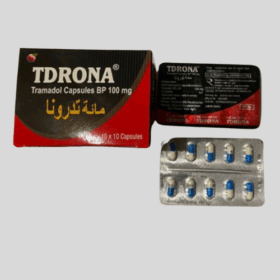
TDRONA Tramadol Capsules 100mg
£42.00 – £396.00
Select options
This product has multiple variants. The options may be chosen on the product page
Hot
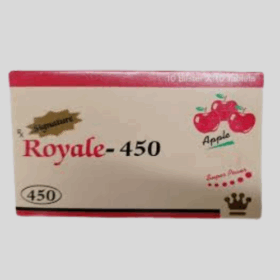
Royale 450mg Apples
£63.00 – £504.00
Select options
This product has multiple variants. The options may be chosen on the product page
Gabapentin 800mg
£37.00 – £324.00
Select options
This product has multiple variants. The options may be chosen on the product page
Co-Codamol tablet 30/500 mg tablets
£35.00 – £252.00
Select options
This product has multiple variants. The options may be chosen on the product page
Reviews
There are no reviews yet.