- Your cart is empty
- Continue Shopping


Product
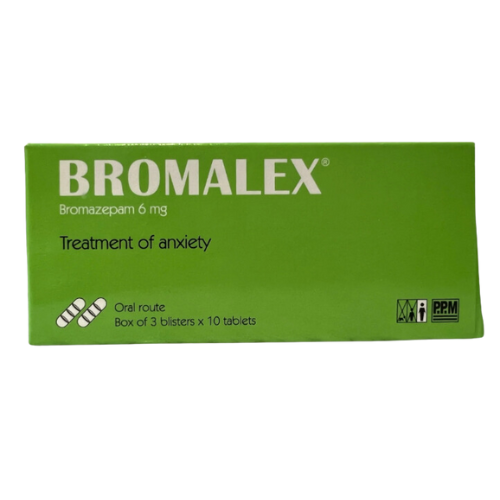
Bromalex (Bromazepam) 6mg
£37.50 – £342.00
Quantity
Choose an option
Add to cart
Buy Now
Bromazepam: Complete Medical Information Guide
Bromazepam is a prescription benzodiazepine medication primarily used in the management of anxiety disorders. It acts on the central nervous system to produce calming effects. This educational guide explains how this medication works, its medical uses, potential risks, dosage considerations, side effects, and important safety information.
What Is
Bromazepam
?

Bromazepam belongs to the benzodiazepine class of medications. These drugs enhance the effect of gamma-aminobutyric acid (GABA), a neurotransmitter responsible for reducing brain activity. By increasing GABA activity, this treatment produces anxiolytic (anti-anxiety), sedative, and muscle-relaxing effects.
It is typically prescribed for short-term treatment of anxiety symptoms and related conditions under medical supervision.
How It Works
Bromazepam binds to specific receptors in the brain known as GABA-A receptors. This interaction increases inhibitory signaling, leading to reduced nervous system activity. As a result, individuals may experience:
-
Reduced anxiety and tension
-
Muscle relaxation
-
Calming effects
-
Improved sleep in anxiety-related insomnia
The calming effect usually begins within a short period after administration, though duration varies depending on dosage and individual metabolism.
Medical Uses
Healthcare providers may prescribe Bromazepam for:
-
Generalized anxiety disorder (GAD)
-
Situational anxiety
-
Short-term management of severe stress
-
Anxiety associated with depression
-
Pre-procedural anxiety (in certain settings)
This medication is generally intended for short-term or intermittent use due to the potential risk of dependence.
Dosage and Administration
The dosage varies depending on symptom severity, patient age, medical history, and overall response to treatment. Only a qualified healthcare provider should determine the appropriate dose and duration.
General Considerations
-
Start with the lowest effective dose
-
Adjust gradually if necessary
-
Avoid abrupt discontinuation
Stopping treatment suddenly may lead to withdrawal symptoms. A gradual taper under medical supervision is strongly recommended.
Side Effects

Like all prescription medications, Bromazepam may cause side effects. Not every patient experiences them, but awareness helps ensure safe use.
Common Side Effects
-
Drowsiness
-
Dizziness
-
Fatigue
-
Reduced concentration
-
Muscle weakness
Less Common but Serious Effects
-
Confusion
-
Memory impairment
-
Respiratory depression (especially when combined with other depressants)
-
Paradoxical agitation
If severe or unusual symptoms occur during therapy, immediate medical attention is advised.
Risk of Dependence and Tolerance
One significant concern with Bromazepam is the risk of physical and psychological dependence. Over time, tolerance can develop, meaning higher doses may be required to achieve the same therapeutic benefit.
Dependence risk increases with:
-
Long-term use
-
High doses
-
History of substance misuse
Withdrawal Symptoms
Sudden discontinuation may cause withdrawal symptoms such as:
-
Rebound anxiety
-
Insomnia
-
Irritability
-
Sweating
-
Tremors
-
Seizures (in severe cases)
Gradual dose reduction under medical supervision minimizes these risks and improves safety outcomes when stopping Bromazepam.
Drug Interactions
Bromazepam may interact with other medications and substances, including:
- Alcohol
- Opioids
- Other benzodiazepines
- Sleep medications
- Antidepressants
- Antihistamines
Combining Bromazepam with other central nervous system depressants increases the risk of excessive sedation and breathing suppression.
Special Populations
Older Adults
Elderly individuals may be more sensitive to Bromazepam, increasing the risk of falls and cognitive impairment.
Pregnancy and Breastfeeding
Bromazepam should only be used during pregnancy if clearly necessary and prescribed by a healthcare professional.
Liver or Kidney Impairment
Patients with impaired liver or kidney function may require dosage adjustments.
Legal and Regulatory Status
The availability of Bromazepam varies by country. In many regions, it is classified as a controlled prescription medication due to its potential for misuse and dependence.
Always comply with local regulations and obtain Bromazepam only through licensed healthcare providers.
Safe Use Guidelines
- Take Bromazepam exactly as prescribed.
- Avoid alcohol while using Bromazepam.
- Do not drive or operate heavy machinery if drowsy.
- Store securely away from children.
Alternatives to Bromazepam
Depending on the condition being treated, healthcare providers may recommend alternatives such as:
- Cognitive Behavioral Therapy (CBT)
- Selective serotonin reuptake inhibitors (SSRIs)
- Non-benzodiazepine anxiolytics
- Lifestyle modifications
Frequently Asked Questions
Is Bromazepam addictive?
Yes. Bromazepam can cause dependence, especially with long-term use or high doses. Medical supervision is essential to reduce the risk of misuse and withdrawal complications.
How long can it be taken?
This medication is generally prescribed for short-term use. The duration of treatment should always be determined by a qualified healthcare professional based on individual needs and response.
Can it be stopped suddenly?
No. Abrupt discontinuation may cause withdrawal symptoms such as rebound anxiety, insomnia, irritability, or tremors. Gradual tapering under medical guidance is strongly recommended.
Does it treat depression?
The primary use of Bromazepam is anxiety management. In some cases, it may be prescribed alongside antidepressants when anxiety symptoms accompany depressive disorders.
When to Seek Medical Help
Seek immediate medical attention if experiencing severe drowsiness, breathing difficulty, confusion, allergic reactions, or unusual behavioral changes while taking Bromazepam. Early intervention can prevent serious complications.
Prescription Dispensing & Delivery Information

Bromazepam is a prescription medication in many countries and is dispensed only through licensed pharmacies after valid medical authorization. Distribution policies vary according to national regulations.
Prescription Requirement
A valid prescription from a licensed healthcare provider is required before this medication can be dispensed. Pharmacies may verify prescription authenticity and patient identity prior to processing.
Pharmacy Pickup
Patients may collect prescribed medication directly from an authorized pharmacy location once approval procedures are completed.
Standard Pharmacy Delivery
Where permitted by law, licensed pharmacies may offer home delivery services. Delivery timelines depend on geographic location, pharmacy policies, and courier availability.
Signature Confirmation
Due to regulatory requirements for controlled substances, an adult signature may be required at the time of delivery.
Discreet Packaging
Healthcare privacy laws typically require pharmacies to use secure and discreet packaging that protects patient confidentiality.
Storage During Transit
Authorized pharmacies follow appropriate storage and handling procedures to maintain product integrity during transportation.
Important Safety Notice
Patients should obtain this medication only from licensed healthcare providers and authorized pharmacies. Avoid unverified online sources, as counterfeit or improperly handled products may pose serious health risks.
Conclusion
Bromazepam is a benzodiazepine medication used in anxiety management. While effective when prescribed appropriately, it carries risks including dependence, tolerance, and withdrawal symptoms. Careful medical supervision ensures safe and responsible use.
Patients should discuss all treatment options, risks, and alternatives with qualified healthcare professionals before starting or discontinuing therapy.
Medical Disclaimer
This page is for educational purposes only. It does not promote the sale or distribution of prescription medications. Always consult a licensed healthcare provider for diagnosis, treatment decisions, and medication guidance.
Additional Information
| Quantity | 30, 60, 90, 180, 360 |
|---|
Related products
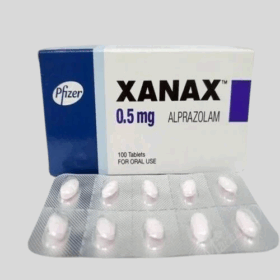
Pfizer Xanax 0.5mg
£43.50 – £450.00
Select options
This product has multiple variants. The options may be chosen on the product page
Hot
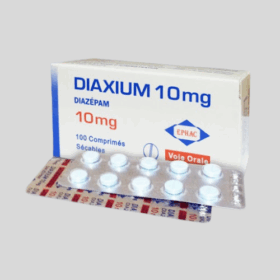
EPHAC Diazepam 10mg Diaxium
£30.00 – £252.00
Select options
This product has multiple variants. The options may be chosen on the product page
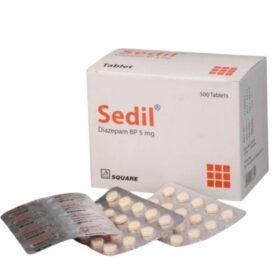
Sedil 5mg Diazepam
£18.00 – £312.00
Select options
This product has multiple variants. The options may be chosen on the product page
Hot
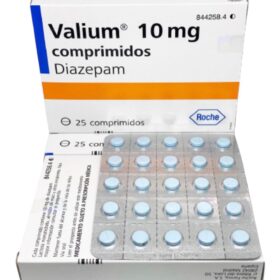
Roche Valium 10mg
£46.25 – £202.50
Select options
This product has multiple variants. The options may be chosen on the product page
Royale 225mg Apples Carisoprodol 125mg + Tapentadol Hydrochloride 100mg
£55.50 – £468.00
Select options
This product has multiple variants. The options may be chosen on the product page

Mersifarma Lorazepam 2mg
£45.00 – £396.00
Select options
This product has multiple variants. The options may be chosen on the product page
Reviews
There are no reviews yet.