- Your cart is empty
- Continue Shopping


Product
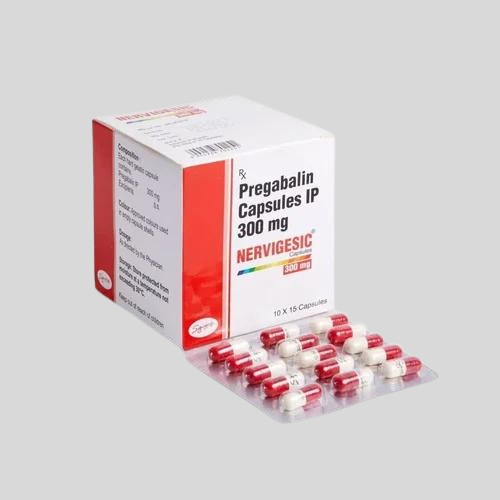
Pregabalin 300mg
£35.00 – £324.00
quantity:
Choose an option
Add to cart
Buy Now
300 mg Pregabalin Capsules: Complete Medical Information Guide
300 mg pregabalin capsules are prescription medications primarily used in the management of neuropathic pain and certain neurological conditions. Pregabalin affects the central nervous system and plays a role in reducing abnormal nerve signaling that contributes to chronic pain and seizures. This guide provides comprehensive educational information about uses, mechanism of action, dosage considerations, potential risks, and safety precautions.
What Are 300 mg Pregabalin Capsules?

Pregabalin is classified as an anticonvulsant and neuropathic pain agent. Although sometimes described as a pain relief medication, pregabalin does not work like traditional painkillers such as nonsteroidal anti-inflammatory drugs (NSAIDs) or opioids. Instead, it modulates calcium channels in nerve cells, reducing the release of neurotransmitters involved in pain transmission.
The 300 mg strength is typically prescribed when lower doses have been evaluated and adjusted by a healthcare provider. Dosing decisions depend on diagnosis, kidney function, response to treatment, and overall tolerance.
How Pregabalin Works in the Body
Pregabalin binds to the alpha-2-delta subunit of voltage-gated calcium channels in the central nervous system. This action decreases the release of excitatory neurotransmitters such as glutamate and substance P.
By reducing excessive nerve signaling, 300 mg pregabalin capsules may help:
- Reduce neuropathic pain sensations
- Stabilize overactive nerve activity
- Decrease seizure frequency in certain patients
- Improve sleep disturbances related to nerve pain
The onset and effectiveness may vary between individuals.
Approved Medical Uses
Healthcare professionals may prescribe pregabalin for:
- Neuropathic pain associated with diabetes (diabetic peripheral neuropathy)
- Postherpetic neuralgia (nerve pain after shingles)
- Fibromyalgia
- Adjunct therapy for partial seizures
- Neuropathic pain associated with spinal cord injury
Pregabalin is not typically used for general acute pain conditions such as headaches or minor injuries.
Dosage and Administration

The dosage of 300 mg pregabalin capsules must be determined by a qualified healthcare provider. Treatment usually begins at a lower dose and may gradually increase based on response and tolerability.
General Dosage Principles
- Start at the lowest effective dose.
- Adjust gradually based on symptom control.
- Take consistently as prescribed.
- Do not abruptly discontinue treatment.
Pregabalin is commonly taken two or three times daily, depending on the prescribed regimen.
Missed Dose Instructions
If a dose is missed, follow healthcare provider guidance. Do not double doses to compensate.
Potential Side Effects
Like all medications, 300 mg pregabalin capsules may cause side effects. Many are mild and improve over time.
Common Side Effects
- Dizziness
- Drowsiness
- Dry mouth
- Blurred vision
- Weight gain
- Peripheral edema (swelling of hands or feet)
Less Common but Serious Side Effects
- Allergic reactions
- Severe dizziness
- Breathing difficulty (rare)
- Suicidal thoughts (rare but important warning)
Any unusual or severe symptoms should be reported to a healthcare professional promptly.
Risk of Dependence and Misuse
While pregabalin is not an opioid, there is some potential for misuse and dependence in certain individuals. The risk may increase in those with a history of substance use disorders.
Healthcare providers monitor therapy to reduce misuse risks.
Withdrawal Considerations
Stopping 300 mg pregabalin capsules suddenly may result in withdrawal symptoms, including:
- Insomnia
- Headache
- Nausea
- Anxiety
- Sweating
Gradual tapering under medical supervision is recommended.
Drug Interactions
Pregabalin may interact with:
- Opioids
- Benzodiazepines
- Alcohol
- Other central nervous system depressants
Combining these substances may increase sedation and respiratory depression risk.

Special Populations
Older Adults
Increased sensitivity to side effects may require dose adjustments.
Kidney Impairment
Dose reduction is often necessary because pregabalin is eliminated primarily through the kidneys.
Pregnancy and Breastfeeding
Use during pregnancy or breastfeeding should occur only if clearly needed and prescribed by a healthcare provider.
Precautions and Safety Advice
- Avoid alcohol while taking pregabalin.
- Use caution when driving or operating machinery.
- Store medication securely.
- Follow tapering instructions when discontinuing.
When to Seek Immediate Medical Attention
- Difficulty breathing
- Swelling of face or throat
- Severe allergic reaction
- Persistent mood changes
Frequently Asked Questions (FAQ)
Is pregabalin a painkiller?
Pregabalin is used to manage certain types of nerve pain but works differently from traditional painkillers.
How long does it take to work?
Some individuals notice improvement within a few days, but full therapeutic effects may take several weeks.
Can it be stopped suddenly?
No. Abrupt discontinuation may cause withdrawal symptoms. Gradual tapering is advised.
Does it cause weight gain?
Weight gain is a possible side effect in some individuals.
Long-Term Use and Monitoring
When 300 mg pregabalin capsules are prescribed for chronic neuropathic conditions, ongoing monitoring is an important part of treatment. Healthcare providers typically evaluate pain control, side effects, and overall functioning during follow-up visits. Regular assessment ensures that the benefits of therapy continue to outweigh potential risks.
Patients may be asked about changes in pain intensity, sleep quality, mood, and daily activity levels. If side effects occur, dosage adjustments or alternative therapies may be considered. Monitoring kidney function may also be necessary in individuals with existing renal conditions, as pregabalin is primarily eliminated through the kidneys.
Impact on Daily Activities
Because pregabalin can cause dizziness or drowsiness, some individuals may experience temporary impairment in alertness. Patients are generally advised to avoid driving, operating heavy machinery, or performing tasks requiring full concentration until they understand how the medication affects them.
Gradual adaptation often occurs after the body adjusts to treatment. However, persistent sedation or coordination difficulties should be reported to a healthcare professional.
Lifestyle Considerations
Maintaining a healthy lifestyle may complement prescribed therapy. Balanced nutrition, adequate hydration, and regular physical activity tailored to individual capability can support overall well-being. For individuals experiencing weight gain during therapy, dietary guidance and physical activity planning may be helpful.
Alcohol consumption is typically discouraged while taking pregabalin, as combining central nervous system depressants may increase the risk of excessive sedation and impaired coordination.
Mental Health Considerations
Although uncommon, pregabalin and other anticonvulsant medications have been associated with mood changes in some individuals. Patients and caregivers should remain aware of symptoms such as increased anxiety, depression, or unusual behavioral changes. Prompt communication with a healthcare provider is essential if concerning symptoms arise.
Storage and Handling
300 mg pregabalin capsules should be stored at room temperature, away from excessive heat and moisture. Medication should remain in its original packaging and be kept out of reach of children and unauthorized individuals. Proper storage helps maintain medication integrity and reduces misuse risk.
Safe Discontinuation Practices
If treatment goals have been met or therapy needs adjustment, discontinuation should occur gradually. Tapering schedules are designed to reduce withdrawal-related symptoms such as insomnia, headache, nausea, or anxiety. The duration of tapering varies depending on the length of treatment and dosage level.
Patients should never stop therapy abruptly without medical guidance. A structured discontinuation plan ensures safer transition and continued symptom management.
Importance of Individualized Treatment
Not all patients respond to pregabalin in the same way. Factors such as age, kidney function, concurrent medications, and underlying medical conditions influence therapeutic outcomes. Individualized care allows healthcare providers to optimize treatment strategies based on patient-specific needs.
Open communication between patient and provider supports better decision-making and improved long-term management of neuropathic conditions.
Conclusion
300 mg pregabalin capsules are prescribed for specific neurological and neuropathic conditions. When used appropriately under medical supervision, they may help manage chronic nerve-related pain and seizure disorders. Careful dosing, monitoring, and adherence to medical advice are essential for safety.
Medical Disclaimer
This content is for educational purposes only and does not promote the sale or distribution of pregabalin. Always consult a licensed healthcare professional for diagnosis, treatment decisions, and medication guidance.
Additional Information
| quantity: | 30, 60, 90, 180, 360 |
|---|
Related products
Hot
Tramadol-F HCI 100mg
£45.00 – £414.00
Select options
This product has multiple variants. The options may be chosen on the product page
Dollas Tramadol 100mg
£45.00 – £460.80
Select options
This product has multiple variants. The options may be chosen on the product page
Royal Tramadol hydrochloride 225mg
£60.00 – £504.00
Select options
This product has multiple variants. The options may be chosen on the product page
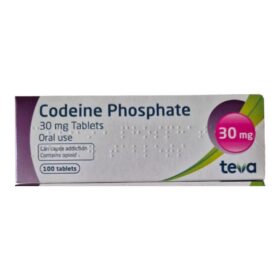
Teva Codeine Phosphate 30mg
£37.50 – £180.00
Select options
This product has multiple variants. The options may be chosen on the product page
Hot
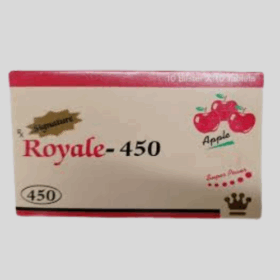
Royale 450mg Apples
£63.00 – £504.00
Select options
This product has multiple variants. The options may be chosen on the product page
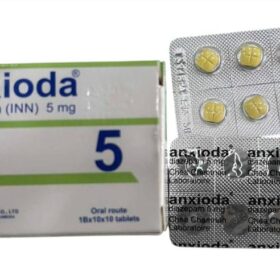
Anxioda GMP Diazepam 5mg
£25.00 – £245.00
Select options
This product has multiple variants. The options may be chosen on the product page
Hot
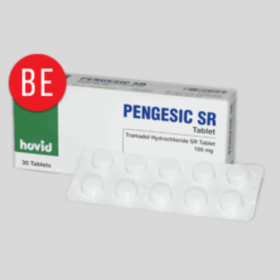
Hovid PENGESIC SR Tramadol 100mg tablet
£43.50 – £121.50
Select options
This product has multiple variants. The options may be chosen on the product page
Gabapentin 800mg
£37.00 – £324.00
Select options
This product has multiple variants. The options may be chosen on the product page
Reviews
There are no reviews yet.