- Your cart is empty
- Continue Shopping


Product
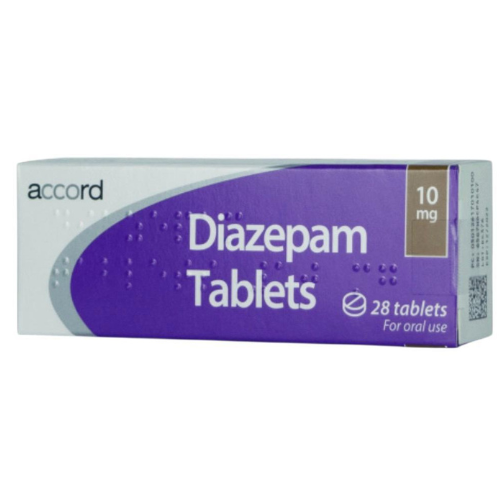
Diazepam 10mg Accord
Price range: £45.00 through £403.20
Quantity
Choose an option
Add to cart
Buy Now
Diazepam 10mg Accord – Anxiety Treatment Information Guide
Introduction
Diazepam 10mg Accord is a prescription medicine used in the management of anxiety disorders and related conditions. It belongs to a class of medicines known as benzodiazepines. These medicines act on the central nervous system to produce a calming effect.
Anxiety disorders can significantly affect daily functioning. They may cause persistent worry, restlessness, irritability, muscle tension, and sleep disturbances. In moderate to severe cases, short-term medication may be recommended alongside psychological therapy.
What Is Diazepam?

Diazepam is a long-acting benzodiazepine. It works by enhancing the effect of gamma-aminobutyric acid (GABA), a neurotransmitter that reduces brain activity.
When GABA activity increases, nerve signals in the brain slow down. As a result, feelings of anxiety and tension decrease. Muscle relaxation and sedation may also occur.
The 10mg strength is typically prescribed when a moderate to stronger therapeutic effect is required. However, dosage always depends on the patient’s condition and medical history.
How It Helps in Anxiety Treatment
Anxiety disorders are often linked to overactivity in certain brain pathways. When these pathways become overstimulated, symptoms such as excessive fear, racing thoughts, irritability, and physical tension may occur. In addition, physical symptoms like sweating, trembling, rapid heartbeat, and restlessness are commonly reported.
Medicines such as Diazepam act on the central nervous system to reduce this overactivity. Diazepam enhances the effects of gamma-aminobutyric acid (GABA), which is a calming neurotransmitter in the brain. As GABA activity increases, nerve signaling slows down. Consequently, feelings of nervousness and agitation may decrease.
By calming excessive brain activity, diazepam may help individuals feel more relaxed. Muscle tension may also be reduced. Furthermore, emotional intensity linked to acute anxiety episodes can become more manageable.
Relief often begins within 30 to 60 minutes after oral administration. However, the exact response time varies depending on factors such as metabolism, age, overall health, and concurrent medications. Some individuals may notice quicker relief, while others may experience gradual improvement.
Conditions Commonly Treated
Although anxiety is a primary indication, diazepam may also be prescribed for:
-
Acute stress reactions
-
Panic symptoms
-
Muscle spasms
-
Alcohol withdrawal symptoms
-
Seizure disorders
The decision to prescribe it depends on a clinical assessment. It is not suitable for everyone.
Dosage and Administration

The dosage is determined by a healthcare professional. For anxiety, lower doses may be started initially.
The 10mg tablet may be divided if instructed. It is usually taken with water. It may be taken with or without food.
Doctors often recommend the lowest effective dose for the shortest possible duration. This approach reduces the risk of dependence.
The medicine should not be stopped suddenly. Instead, the dose is usually tapered gradually.
Duration of Treatment
Benzodiazepines are generally prescribed for short-term use because of their potential risks. Medicines such as Diazepam are effective in reducing anxiety symptoms quickly. However, they are not usually intended for long-term continuous therapy.
With prolonged use, tolerance may develop. This means the same dose may become less effective over time. As a result, higher doses might seem necessary to achieve the same calming effect. Increasing the dose without medical guidance is unsafe and strongly discouraged.
In addition, physical and psychological dependence may occur if treatment continues for extended periods. Dependence risk increases when higher doses are taken or when the medication is used longer than recommended. Therefore, regular medical review is essential during treatment.
Ongoing monitoring allows healthcare providers to assess symptom improvement, evaluate side effects, and determine whether continued use is appropriate. Follow-up appointments also help identify early signs of tolerance or misuse.
Possible Side Effects
Side effects may occur, especially at the beginning of treatment.
Common side effects include:
-
Drowsiness
-
Fatigue
-
Dizziness
-
Poor coordination
-
Blurred vision
These effects are often mild and temporary.
However, more serious reactions may occur in rare cases. These include:
-
Breathing difficulties
-
Severe allergic reactions
-
Mood changes
-
Confusion
-
Memory problems
Medical attention should be sought if serious symptoms appear.
Risks of Dependence and Withdrawal
Diazepam has the potential for physical and psychological dependence.
Dependence risk increases with higher doses and prolonged use. Therefore, strict adherence to medical instructions is essential.
If stopped abruptly, withdrawal symptoms may develop. These may include anxiety, insomnia, irritability, sweating, and, in severe cases, seizures.
Gradual dose reduction minimizes withdrawal risk.
Warnings and Precautions
Before starting treatment, patients should inform their healthcare provider about existing medical conditions.
Special caution is required in individuals with:
-
Liver disease
-
Kidney impairment
-
Respiratory disorders
-
Sleep apnea
-
Depression
-
History of substance misuse
Alcohol should be avoided. Combining alcohol with diazepam increases sedation and respiratory depression risk.
The medicine may impair alertness. Therefore, driving and operating machinery should be avoided until the effects are known.
Use in Elderly Patients
Older adults are more sensitive to sedative effects.
Falls and confusion may occur more frequently. Lower doses are often recommended.
Close monitoring improves safety outcomes.
Use During Pregnancy and Breastfeeding
Diazepam may cross the placenta.
Use during pregnancy should only occur if clearly necessary. Newborns may experience withdrawal or sedation if exposed late in pregnancy.
The medicine may pass into breast milk. Medical advice is required before breastfeeding.
Drug Interactions
Diazepam may interact with several medications.
Particular caution is needed with:
-
Opioid pain medicines
-
Antidepressants
-
Antipsychotics
-
Antihistamines
-
Other sedatives
These combinations may increase drowsiness and breathing suppression.
Patients should provide a full list of medications to their doctor.
Storage and Handling
The medicine should be stored at room temperature.
It must be kept away from moisture and direct sunlight.
Tablets should be stored securely and out of reach of children.
Unused medication should be disposed of properly according to pharmacy guidance.
Psychological Therapy and Lifestyle Support
Medication alone may not address the root cause of anxiety. While medicines such as Diazepam can reduce symptoms in the short term, long-term improvement often requires additional support. Therefore, a comprehensive treatment plan is usually recommended.
Cognitive behavioral therapy (CBT) is commonly advised for anxiety disorders. It helps patients identify negative thought patterns and replace them with healthier responses. Over time, these changes can reduce anxiety triggers and improve emotional resilience. In addition, CBT teaches practical coping strategies that patients can use in daily life.
Lifestyle measures also play an important role. Regular physical activity has been shown to reduce stress hormones and improve mood. Adequate sleep supports emotional balance and cognitive function. Furthermore, maintaining a structured daily routine may help reduce uncertainty and worry.
Stress-management techniques are equally valuable. For example, deep breathing exercises can calm the nervous system. Similarly, progressive muscle relaxation may reduce physical tension linked to anxiety. Mindfulness practices encourage individuals to focus on the present moment rather than future fears.
Healthy nutrition and reduced caffeine intake may also contribute to better symptom control. Social support from family and friends strengthens recovery. Moreover, joining support groups can help individuals feel less isolated.
Combining medication with therapy often produces better outcomes than using either approach alone. Medication may provide short-term relief, whereas therapy builds long-term coping skills. As a result, patients may experience more stable and sustained improvement.
Ultimately, anxiety management works best when medical treatment, psychological therapy, and lifestyle adjustments are integrated into a balanced care plan.
When to Seek Medical Help
Immediate medical attention is required if the following occur:
-
Severe breathing difficulty
-
Extreme drowsiness
-
Suicidal thoughts
-
Allergic swelling
-
Severe confusion
Regular follow-up appointments ensure safe treatment.
Frequently Asked Questions
1. How quickly does diazepam work for anxiety?
It usually begins working within an hour. However, effects vary by individual.
2. Can it be used long term?
It is generally recommended for short-term use due to dependence risk.
3. Is it safe to drive while taking it?
Driving should be avoided until you know how it affects you.
4. Can it cause addiction?
Yes, especially if used for prolonged periods or without supervision.
5. What happens if a dose is missed?
Take it when remembered unless it is close to the next dose. Do not double doses.
Product Delivery Options

(Prescription Medicines – General Guidance)
When obtaining Diazepam 10mg Accord, it is essential to use a licensed and regulated pharmacy. Because it is a controlled prescription medicine, pharmacies must verify a valid prescription before dispatch. Therefore, shipping timelines depend on successful prescription approval.
Standard Delivery
Most regulated pharmacies provide standard shipping for prescription medicines.
-
Estimated delivery: 5–7 business days
-
Suitable for routine, non-urgent needs
-
Cost-effective shipping option
-
Tracking details are usually shared after dispatch
Processing begins only after prescription verification has been completed. As a result, total delivery time may include both approval and transit duration.
Express Delivery
Some pharmacies offer faster shipping options where permitted by law.
-
Estimated delivery: 2–3 business days
-
Higher shipping charges may apply
-
Availability depends on service area
-
Prescription verification remains mandatory
Although delivery speed may be quicker, regulatory checks cannot be bypassed.
Discreet Packaging
Patient confidentiality is an important aspect of pharmacy practice.
-
Packaging is typically neutral
-
Medication details are not displayed externally
-
Personal health data remains confidential
-
Secure sealing methods may be used
Consequently, privacy is maintained during transportation.
Order Tracking
After dispatch confirmation:
-
A tracking number is provided via email or SMS
-
Shipment progress can be monitored
-
Delivery notifications are shared until arrival
This ensures transparency throughout the delivery process.
Important Compliance Notes
-
A valid prescription is required before any dispatch.
-
Delivery timelines may vary depending on regional regulations.
-
Controlled medicines are supplied in accordance with pharmacy laws.
-
Orders may be delayed if prescription documentation is incomplete.
Conclusion
Diazepam 10mg (Accord brand) is a benzodiazepine commonly prescribed for the short-term management of anxiety and certain related conditions. It works by calming excessive brain activity through its action on gamma-aminobutyric acid (GABA), a neurotransmitter responsible for reducing nerve signals in the brain. As a result, symptoms such as nervousness, restlessness, and muscle tension may decrease.
Although effective for symptom relief, this medication carries potential risks. Sedation is common, especially during the early stages of treatment. In addition, prolonged use may increase the risk of dependence. Withdrawal symptoms can occur if the medication is stopped suddenly after extended use. Therefore, careful monitoring is important throughout the course of treatment.
Additional Information
| Quantity | 28, 56, 84, 168, 336 |
|---|
Related products
Neurozol Etizolam 1mg
Price range: £37.50 through £342.00
Select options
This product has multiple variants. The options may be chosen on the product page
Galenika Rivotril Clonazepam 2mg
Price range: £40.50 through £396.00
Select options
This product has multiple variants. The options may be chosen on the product page
Royale 225mg Apples Carisoprodol 125mg + Tapentadol Hydrochloride 100mg
Price range: £55.50 through £468.00
Select options
This product has multiple variants. The options may be chosen on the product page
ALPRX-1 Alprazolam 1mg
Price range: £36.00 through £288.00
Select options
This product has multiple variants. The options may be chosen on the product page
DIAZEPAM PPM 10mg
Price range: £34.50 through £342.00
Select options
This product has multiple variants. The options may be chosen on the product page

Diazepam D10 Pokupharma
Price range: £26.00 through £198.00
Select options
This product has multiple variants. The options may be chosen on the product page
Reviews
There are no reviews yet.