- Your cart is empty
- Continue Shopping


Product
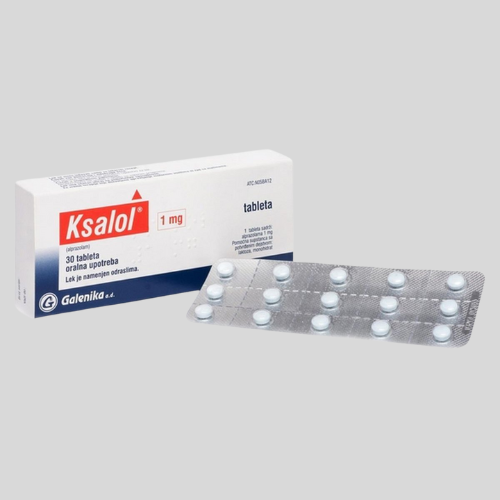
Ksalol 1mg Alprazolam
Price range: £42.00 through £360.00
Quantity
Choose an option
Add to cart
Buy Now
Alprazolam: Complete Medical Information Guide
Alprazolam is a prescription medication belonging to the benzodiazepine class. It is widely used in the management of anxiety disorders and panic disorder. This guide provides detailed educational information about how alprazolam works, its approved medical uses, dosage principles, safety concerns, potential side effects, and precautions. This content is intended strictly for informational purposes.
What Is Alprazolam?

Alprazolam is a central nervous system depressant that enhances the activity of gamma-aminobutyric acid (GABA), a neurotransmitter responsible for reducing excessive neuronal activity in the brain. By strengthening GABA’s inhibitory effects, alprazolam helps reduce anxiety, nervous tension, and panic symptoms.
It is commonly prescribed under careful medical supervision and is typically intended for short-term treatment due to risks of tolerance and dependence.
How Alprazolam Works
This medication binds to GABA-A receptors in the brain. The interaction increases chloride ion influx into neurons, producing a calming effect on the nervous system. As a result, patients may experience:
- Reduced feelings of anxiety
- Decreased panic intensity
- Muscle relaxation
- Sedation
- Improved sleep in anxiety-related insomnia
The onset of action is relatively rapid compared to some antidepressants used for anxiety disorders. However, its short-to-intermediate duration requires careful dosing schedules.
Approved Medical Uses
Healthcare providers may prescribe alprazolam for:
- Generalized anxiety disorder (GAD)
- Panic disorder with or without agoraphobia
- Anxiety associated with depression
- Short-term management of acute anxiety episodes
In many cases, long-term management of anxiety involves psychotherapy and/or antidepressant medications, while benzodiazepines may be used for short-term symptom stabilization.
Dosage and Administration

Dosage must be individualized based on patient needs, medical history, symptom severity, age, and concurrent medications.
General Dosing Principles
- Begin with the lowest effective dose.
- Adjust gradually under medical supervision.
- Do not exceed prescribed amounts.
- Never share medication with others.
Extended-release and immediate-release formulations may be prescribed depending on clinical needs.
Missed Dose Guidance
If a dose is missed, patients should follow their healthcare provider’s instructions. Doubling doses to compensate is not recommended.
Side Effects
Like all medications, alprazolam may cause side effects. Many are dose-dependent and may lessen as the body adjusts.
Common Side Effects
- Drowsiness
- Dizziness
- Fatigue
- Impaired coordination
- Memory disturbance
- Slowed reaction time
Less Common but Serious Effects
- Respiratory depression (especially when combined with opioids or alcohol)
- Severe sedation
- Mood changes
- Confusion
- Allergic reactions
Immediate medical attention is required if breathing difficulty, extreme drowsiness, or severe behavioral changes occur.
Risk of Dependence and Tolerance
One of the most significant risks associated with alprazolam is physical and psychological dependence. Tolerance can develop over time, requiring higher doses to achieve the same therapeutic effect.
Dependence risk increases with:
- Long-term use
- High dosage
- History of substance misuse
- Concurrent use of other sedatives
Withdrawal Symptoms
Abrupt discontinuation may result in withdrawal symptoms, which can range from mild to severe.
- Rebound anxiety
- Insomnia
- Irritability
- Sweating
- Tremors
- Seizures (in rare severe cases)
A gradual tapering schedule under medical supervision significantly reduces these risks.
Drug Interactions
Alprazolam may interact with:
- Opioid medications
- Alcohol
- Other benzodiazepines
- Certain antidepressants
- Antifungal medications
- Antihistamines
Combining central nervous system depressants increases the risk of sedation and respiratory depression.
Special Populations
Older Adults
Elderly patients may be more sensitive to sedative effects and may require lower doses.
Pregnancy and Breastfeeding
Use during pregnancy is generally avoided unless clearly necessary. Consultation with a physician is essential.
Patients with Liver or Kidney Conditions
Dose adjustments may be required due to altered metabolism.
Precautions
- Avoid alcohol consumption.
- Use caution when driving.
- Store securely to prevent misuse.
- Follow the prescribed taper plan when discontinuing.
When to Seek Medical Help
Seek immediate medical care if experiencing:
- Difficulty breathing
- Extreme drowsiness
- Confusion or hallucinations
- Severe allergic reactions
- Unusual mood or behavioral changes
Product Delivery Options

When buying Diazepam 10 mg Accord online, it’s important to choose a reputable pharmacy. Fortunately, most online pharmacies offer several delivery options:
-
Standard Delivery: Usually takes about 5–7 business days.
-
Express Delivery: For faster service, deliveries may arrive within 2–3 business days.
-
Discreet Packaging: Ensures privacy and confidentiality during the delivery process.
Frequently Asked Questions
Is alprazolam addictive?
Yes. It has a known risk of dependence, especially with prolonged use or higher doses.
How long is treatment usually prescribed?
It is often prescribed for short-term use. Long-term therapy requires careful monitoring.
Can it be stopped suddenly?
No. Abrupt discontinuation can cause withdrawal symptoms. Gradual tapering is recommended.
Is it safe with antidepressants?
In some cases, it may be prescribed alongside antidepressants, but medical supervision is required.
Conclusion
Alprazolam is an effective medication for managing anxiety and panic disorders when used responsibly and under professional supervision. However, due to risks of tolerance, dependence, and withdrawal, careful prescribing and monitoring are essential. Patients should discuss all treatment options, benefits, and potential risks with qualified healthcare providers.
Medical Disclaimer
This content is for educational purposes only and does not promote the sale or distribution of alprazolam. Always consult a licensed healthcare professional for diagnosis, treatment, and medication guidance.
Additional Information
| Quantity | 30, 60, 90, 180, 360 |
|---|
Related products
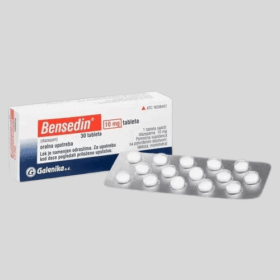
Diazepam 10mg (Galenika Bensedin)
Price range: £39.00 through £300.00
Select options
This product has multiple variants. The options may be chosen on the product page
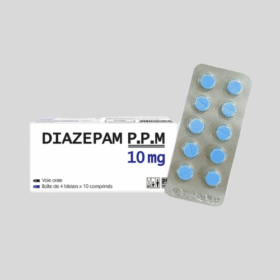
DIAZEPAM PPM 10mg
Price range: £34.50 through £342.00
Select options
This product has multiple variants. The options may be chosen on the product page
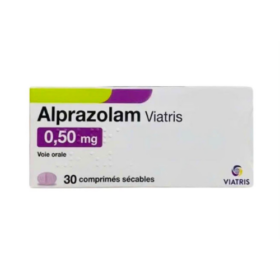
Viatris Alprazolam 0.5 mg
Price range: £43.50 through £450.00
Select options
This product has multiple variants. The options may be chosen on the product page
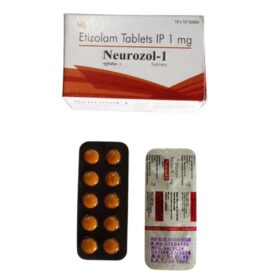
Neurozol Etizolam 1mg
Price range: £37.50 through £342.00
Select options
This product has multiple variants. The options may be chosen on the product page
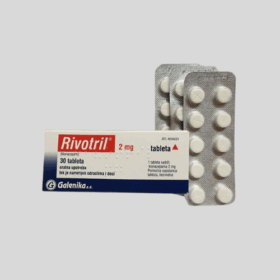
Galenika Rivotril Clonazepam 2mg
Price range: £40.50 through £396.00
Select options
This product has multiple variants. The options may be chosen on the product page
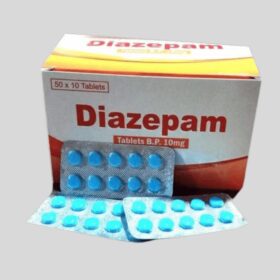
Diazepam D10 Pokupharma
Price range: £26.00 through £198.00
Select options
This product has multiple variants. The options may be chosen on the product page


Ernest Diazepam 10mg
Price range: £30.00 through £234.00
Select options
This product has multiple variants. The options may be chosen on the product page
Reviews
There are no reviews yet.